Large Weldments, Machined Complete — In One Plant
We cut, form, weld and finish-machine heavy steel parts to your drawings. Parts up to 4 tonnes and 12000 mm long, machined after welding without leaving the building.
Email Your Drawing Can We Make It?
Acknowledgement in 4 working hours. Quotation in 48.
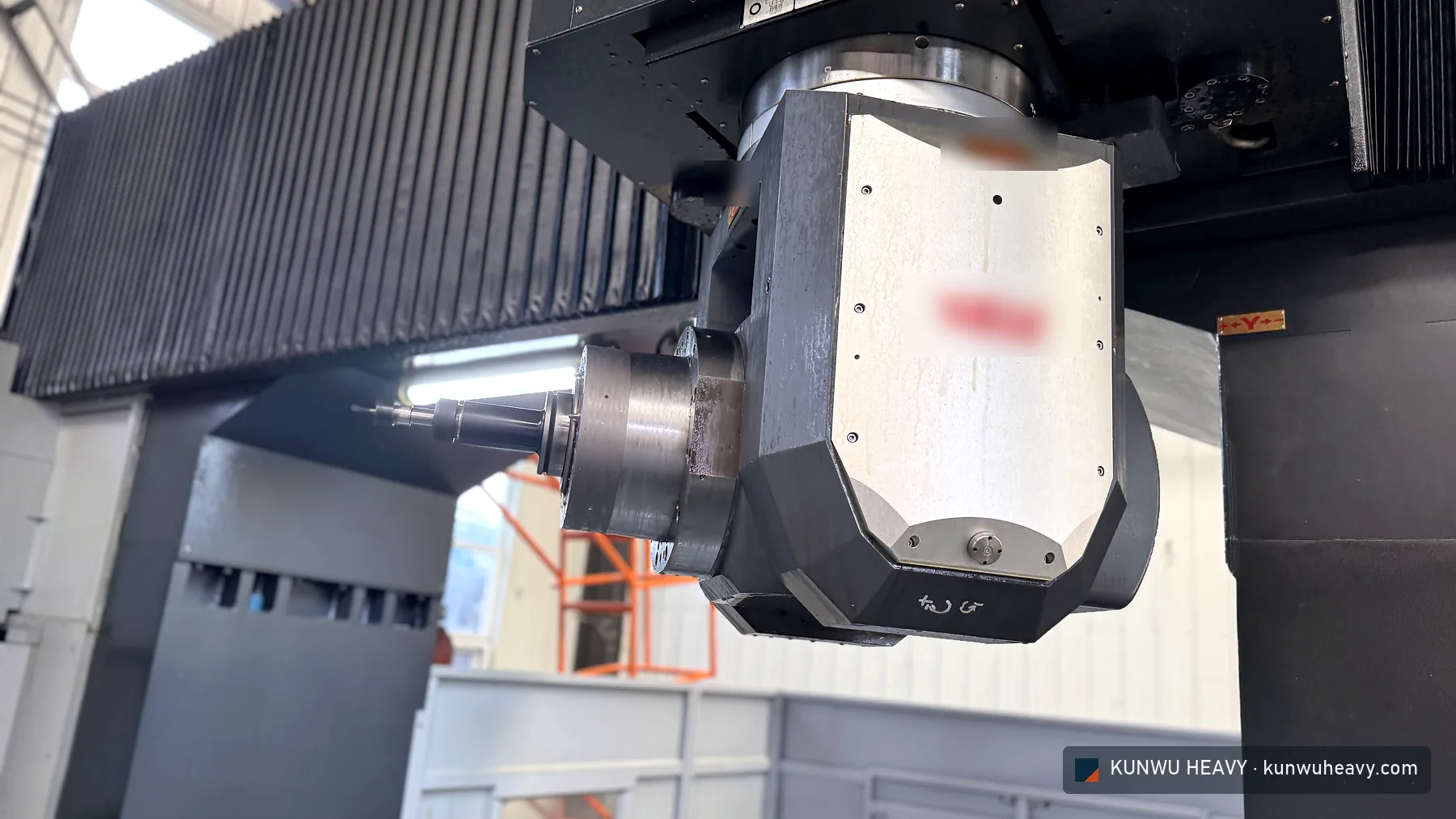
Welded and machined under one roof
Cutting, forming, welding, stress relief and finish machining happen in the same plant. The part is set up once and stays on one datum. One supplier, one responsibility.
Paperwork your auditor will accept
EN 10204 3.1 mill certificates, documented melt-and-pour origin, welding records and a first-article dimensional report travel with every shipment.
A quotation, not just a price
Within 48 hours you get a proposed process route, a material plan, an inspection plan and a priced breakdown — enough to put straight into your purchasing system.
What we make
Large Part Machining
Gantry milling, floor boring and turning up to 2800 × 1600 × 800 mm governed by the 5 t crane — 4 t per piece.
See the envelopeWelded Fabrication
MIG/MAG, SAW and robotic welding of weldments up to 4 t, with stress relief before final machining.
See the envelopeHeavy Plate Cutting
Laser, plasma and flame cutting to 80 mm, with bevelling and edge preparation.
See the envelopeForming and Rolling
Press brake to 400 t, bend length to 4000 mm, plate rolling to 30 mm.
See the envelopeMaterials we handle
Wear-Resistant Steel
NM400, NM450, NM500 and comparable grades. We control preheat and heat input so the plate keeps its hardness after welding.
High-Strength Steel
S690QL, S890QL, Q690 and comparable grades, with qualified procedures for each thickness band.
Carbon and Low-Alloy Steel
S355, Q355B, A36 and equivalents, with EN 10204 3.1 certificates as standard.
Paperwork that travels with the part
Importing fabricated steel into the EU has become a documentation problem as much as a manufacturing one.
Since January 2026, CBAM applies to CN codes including 7308, 7311, 7318 and 7326 — which is where most weldments and fabricated steel parts land. From 1 October 2026, you need to be able to show where the steel was melted and poured. And a mill certificate marked 3.1 is not the same thing as one marked 3.2.
We keep that trail on our side so your customs broker and your auditor don't have to chase it.
CBAM and Melt-and-Pour
What we can document today for your CBAM declaration, and what is still in preparation.
EN 1090 and CE Marking
The one test that decides whether your part is a construction product — and where our certification stands.
EN 10204 3.1 vs 3.2
The practical difference between the two mill certificate types, and which one to ask for.
How a job runs
| Step | When | What happens |
|---|---|---|
| 1. Drawing review | Within 4 working hours | We open the files and tell you whether it is inside our envelope. |
| 2. Technical clarification | Same day | If something on the drawing is ambiguous, you hear about it before we price it — not after we cut it. |
| 3. Quotation | Within 48 hours | Process route, material plan, inspection plan, priced breakdown. |
| 4. Production | Per schedule | Cut, formed, welded, stress-relieved, machined, coated. |
| 5. Inspection | First article, in-process, final | Dimensional report on every new part number. |
| 6. Packing | — | Fumigated crates, export marking, photographs before the lid goes on. |
| 7. Delivery | FOB / CIF / DAP | Documents issued before the vessel sails. |
Talk to the engineer who will quote it
Your enquiry is read by an engineer before anyone replies to it. The person who answers is the one who works out how to make the part.
Technical Team
Fabrication and machining engineers
Drawing review, process planning and quotation — the reply you get is written by the person who worked out how to make the part.
Not sure if we're the right shop?
Tell us the material, the thickness and roughly how big it is. We'll tell you straight away whether it's a job for us — and if it isn't, what kind of shop you should be looking for.